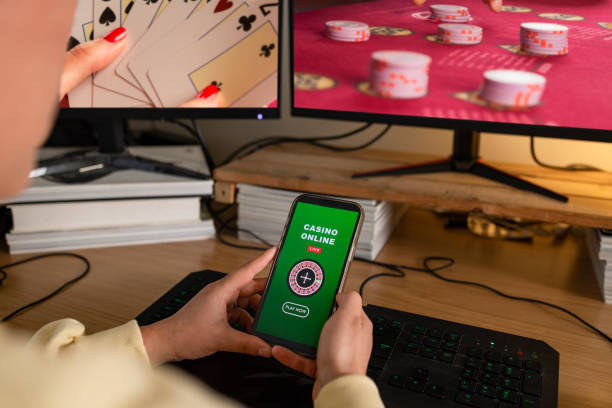

In recent years, the landscape of mobile online casinos in Singapore has undergone a significant transformation, driven by rapid technological advancements and evolving user expectations. The interface design of these platforms plays a crucial role in shaping the overall gaming experience, making it essential for developers to continuously innovate and refine their approaches. A fresh look at mobile online casino interfaces reveals a shift towards more intuitive, engaging, and accessible designs that cater specifically to the diverse needs of Singaporean players.
One of the most noticeable trends is the emphasis on simplicity combined with elegance. Modern mobile casino interfaces prioritize clean layouts that minimize clutter while highlighting key features such as game selection, promotions, and account management tools. This streamlined approach not only enhances visual appeal but also improves navigation efficiency on smaller screens typical of smartphones and tablets. By reducing unnecessary distractions, players can focus on gameplay without feeling overwhelmed or confused.
Another important aspect is customization. Leading mobile casinos now offer personalized experiences by allowing users to tailor their interface settings according to preferences like theme colors, font sizes, and notification types. This level of personalization fosters a stronger connection between players and platforms while accommodating different accessibility requirements-an especially relevant factor in Singapore’s multicultural society where inclusivity is highly valued.
The integration of advanced technologies such as artificial intelligence (AI) and machine learning further elevates user interaction within these interfaces. AI-driven recommendations help guide players toward games suited to their tastes based on past behavior or popular trends among peers in Singapore. Meanwhile, chatbots embedded within apps provide instant customer support around the clock without forcing users to leave their current screen or interrupt gameplay sessions.
Security remains paramount when designing any online gambling platform interface for Singapore’s regulated market environment. Developers are increasingly incorporating visible security indicators like biometric login options (fingerprint or facial recognition) alongside encrypted transaction confirmations directly into the app’s UI/UX framework. These measures reassure users about data privacy and safe monetary transactions-critical factors influencing player trust and loyalty.
Moreover, responsive design techniques ensure seamless performance across various device models used widely throughout Singapore-from high-end smartphones to budget-friendly alternatives-without compromising graphic quality or loading speeds. Fast-loading pages coupled with smooth animations create an immersive atmosphere akin to visiting physical casinos while enjoying convenience from anywhere at any time.
Social connectivity features have also gained prominence within new mobile casino interfaces targeting Singaporean audiences who value community engagement during leisure activities. Integration with social media platforms enables easy sharing of achievements or inviting friends for multiplayer challenges directly through intuitive buttons embedded within game menus.
In conclusion, reimagining mobile online casino Singapore involves balancing aesthetics with functionality tailored specifically for local users’ preferences and regulatory standards. By embracing minimalist designs enriched with personalization options, leveraging AI technology for smarter interactions, prioritizing robust security protocols, ensuring device compatibility through responsive layouts, plus fostering social connections-all contribute toward delivering superior gaming experiences that resonate well within this dynamic market environment. As competition intensifies among operators aiming to capture attention quickly yet sustainably via smartphone screens dominating today’s digital entertainment consumption patterns across Singapore’s vibrant urban centers continues unabated; innovation in interface design will remain pivotal going forward.