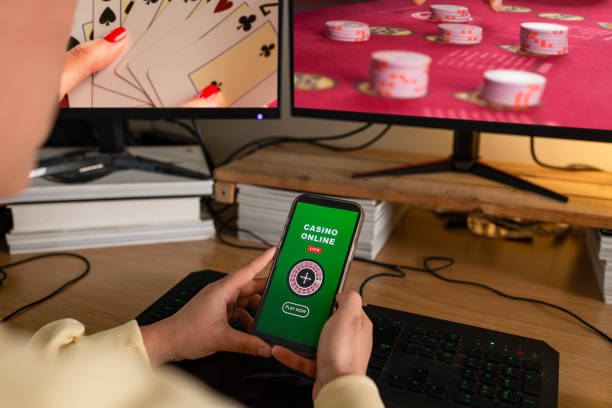

Responsible gaming is a crucial aspect of enjoying gambling activities while minimizing potential risks. For adults who engage in any form of gambling, whether it be online betting, casino games, sports wagering, or lotteries, understanding and practicing responsible gaming habits can help ensure that the experience remains entertaining and safe.
One of the most important principles of responsible gaming is setting limits before starting to play. This includes deciding on a budget that one can afford to lose without impacting daily living expenses such as rent, bills, food, or savings. Sticking strictly to arab online casinos this predetermined amount helps prevent financial difficulties and reduces the risk of chasing losses. It’s essential to view gambling as a form of entertainment rather than a way to make money. Winning should be seen as a pleasant bonus rather than an expectation.
Time management is equally vital when engaging in gambling activities. Spending excessive hours playing can interfere with work responsibilities, relationships, and overall well-being. Establishing time limits for each session encourages balance between leisure and other life priorities. Taking regular breaks during gameplay also helps maintain perspective and prevents impulsive decisions driven by frustration or excitement.
Awareness about the odds involved in different types of games is another key factor in responsible gaming. Understanding that most games are designed with a house edge means players should not expect consistent winnings over time. Knowledge about how random number generators work or how odds fluctuate can reduce unrealistic expectations and promote more informed choices.
It’s also important for adults to recognize signs that may indicate problematic behavior related to gambling. These signs include feeling preoccupied with gambling activities outside designated times; increasing bets beyond initial plans; using gambling as an escape from stress or negative emotions; hiding participation from friends or family; borrowing money to gamble; or experiencing mood swings linked directly to wins or losses. If any of these indicators arise, seeking support from professional organizations specializing in problem gambling is highly recommended.
Many jurisdictions provide tools like self-exclusion programs where individuals can voluntarily ban themselves from casinos or online platforms for specified periods if they feel their control slipping. Additionally, setting deposit limits on accounts can act as safeguards against overspending.
In conclusion, responsible gaming requires mindfulness about both financial expenditure and emotional health while participating in gambling activities. By establishing clear boundaries regarding time and money spent on gaming pursuits; educating oneself about game mechanics; recognizing early warning signals for harmful behavior; and utilizing available support resources when needed-adults can enjoy gambling responsibly without compromising their stability or happiness. Maintaining this balanced approach ensures that gaming stays within healthy recreational limits rather than becoming detrimental addiction-driven conduct.